

Best DIY tools for home (the guide I wish I'd had sooner)
If you're thinking about fixing, improving, or renovating your house, the first question is always the same: Which tools are worth buying and which are a waste of money? After more than two decades in renovations, DIY, and real estate, I've seen it all: from huge briefcases that nobody uses to drills that die on the third day.
In this guide I summarize the 12 Best DIY Tools You Really NeedThe purchases you should avoid and the brands that are delivering the best results for hobbyists and advanced DIYers. The goal is simple: Do more with fewer tools, without wasting money.
Bonus: At the end you will find a frequently asked questions section and an invitation to download the guide in PDF format so you always have it on hand.
Best Essential Tools for DIY at Home
This kit easily covers around 80–90% of typical home jobs: assembling furniture, hanging shelves, small renovations, woodworking projects, basic electrical adjustments, and more.
Cordless drill/driver: the king of DIY
The cordless drill/driver is the tool you'll use most for assembling furniture, hanging shelves, and drilling into wood, metal, or walls. A good model replaces half a toolbox and makes all the difference between working comfortably and struggling with every screw.

What is it for: assemble furniture, hang shelves, drill holes, screw quickly and effortlessly.
What you should look for: An 18V drill, minimum torque around 40 Nm, two batteries, case with quality bits.
Links to posts about drills:
- Best Value Cordless Drills
- Best Electric Drill Quality Price of the year
- DeWalt DCD805P2T-QW: Most Powerful Cordless Drill
Laser level: perfect lines without struggling with the measuring tape
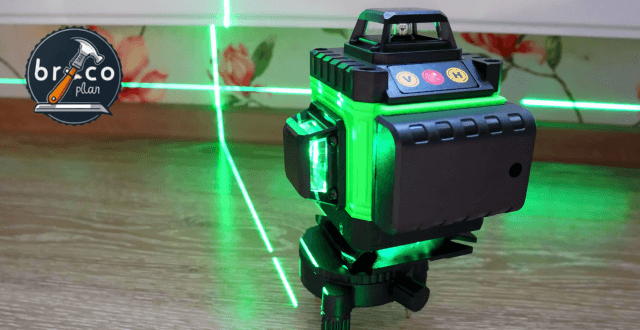
What is it for: Hanging aligned pictures, installing tall furniture, marking tiles, precision work.
What you should look for: Self-leveling, cross mode, range 10–20 meters, magnetic tripod mount.
Oscillating multi-tool: the electric Swiss Army knife
The oscillating multi-tool tackles cutting and sanding in hard-to-reach places: door frames, baseboards, corners, and small details. By changing the attachment, you can cut wood, thin metal, or plastics and sand intricate areas.
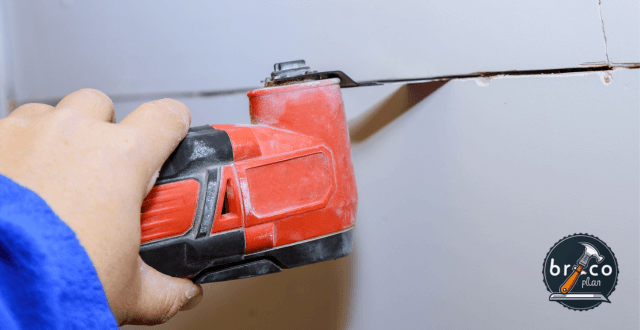
What is it for: Cut frames without disassembling, trim baseboards, sand corners, remove adhesive residue.
What you should look for: Speed regulator, universal accessories, reliable brand, wired or battery version depending on your use.
Link to the post about multi-tools
Impact wrench: professional strength in your hand
The impact wrench is key when you need to loosen or tighten high-strength screws and nuts: wooden structures, anchors, assembly of robust furniture, or car and bike maintenance.
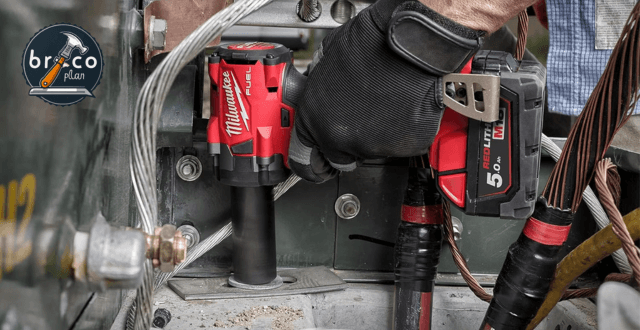
What is it for: long screws, wooden structures, heavy furniture, basic vehicle repair.
What you should look for: torque of about 200–300 Nm, 18V, comfortable handle and carrying case with impact sockets.
Link to the post about impact wrenches:
Jigsaw: curves and clean cuts
With a jigsaw, you can make precise, curved cuts in wood, plywood, plastics, and some thin veneers. It's ideal for adapting furniture, cutting out countertops, or creating custom pieces.
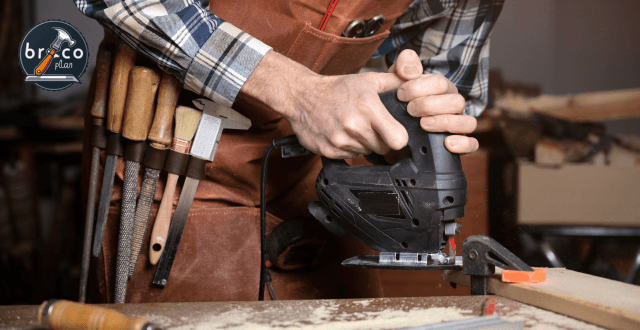
What is it for?: curved cuts, adapting furniture, trimming boards, small carpentry projects.
What you should look for: speed control, pendulum action, quick blade change, stable aluminum base.
Link to the post about jigsaws
Angle grinder: the all-rounder for construction sites
An angle grinder is used for cutting metal, tiles, and profiles, as well as for removing rust or other material residue. With the right discs, it becomes one of the most versatile machines for home renovations.
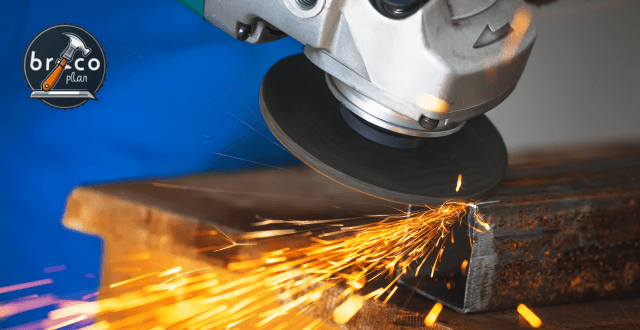
What is it for: Cutting metal, cutting tiles, removing rust, grinding and minor polishing.
What you should look for: Power around 750–900W in cable or 18V battery version, side handle and adjustable guard.
Link to the post about grinders
Industrial vacuum cleaner: work without living in a cloud of dust
A good construction vacuum cleaner keeps the workspace clean, improves visibility, and protects your health by reducing sanding dust, plaster, and cutting debris. It can be connected to many power tools.
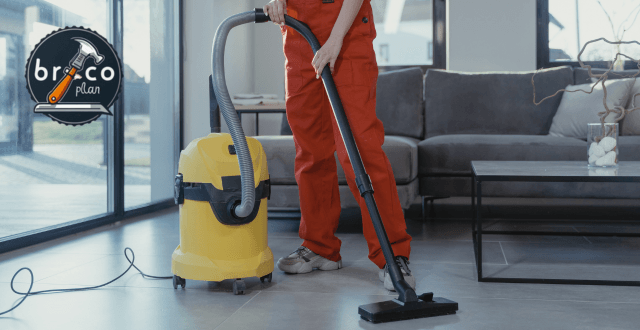
What is it for: vacuuming sander dust, plaster, cement, shavings, quick workshop or garage cleanings.
What you should look for: Effective HEPA filter, easy-to-empty bag or reservoir, various nozzles and a reliable brand.
Link to the post about industrial vacuum cleaners
Heat gun: the magic wand for paint and plastics
A heat gun is perfect for removing old paint, loosening adhesives, bending plastics, or using heat shrink tubing. When used correctly, it saves many hours of scraping and stripping.
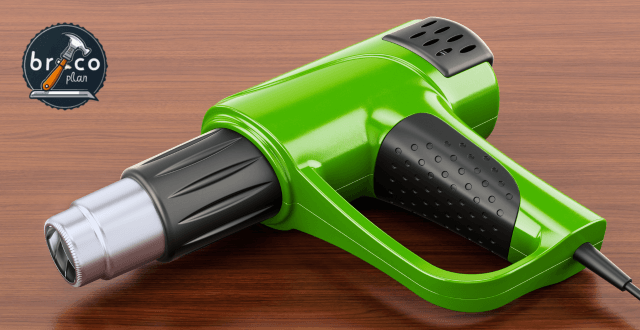
What is it for: Removing paint, loosening glues, bending plastics, small creative projects.
What you should look for: temperature control, included nozzles and good thermal protection.
Link to the post about heat guns
Orbital sander: carpenter's finishes
The orbital sander takes care of the finishing touches: smoothing wood, repairing furniture, and preparing walls for painting, with a much more uniform result than by hand.

What is it for: sanding wood, smoothing putties, preparing surfaces before painting.
What you should look for: base approx. 125 mm, dust extraction, variable speed.
Link to the post about orbital sanders
Portable compressor: small but very useful
A portable air compressor can be used to inflate tires, blow dust from hard-to-reach places, clean filters, and power small pneumatic tools. It's one of those machines you don't miss until you try it.

What is it for?: inflating tires, air cleaning, blowing dust, quick tasks in the workshop.
What you should look for: oil-free model, tank capacity of approximately 6–12 L, precise pressure gauge.
Link to the post about compressors
Clamps / vise grips: the third arm you're missing
Clamps and vises hold workpieces in place while you cut, glue, or screw, providing precision and safety. They are essential for basic woodworking and assembling custom furniture.
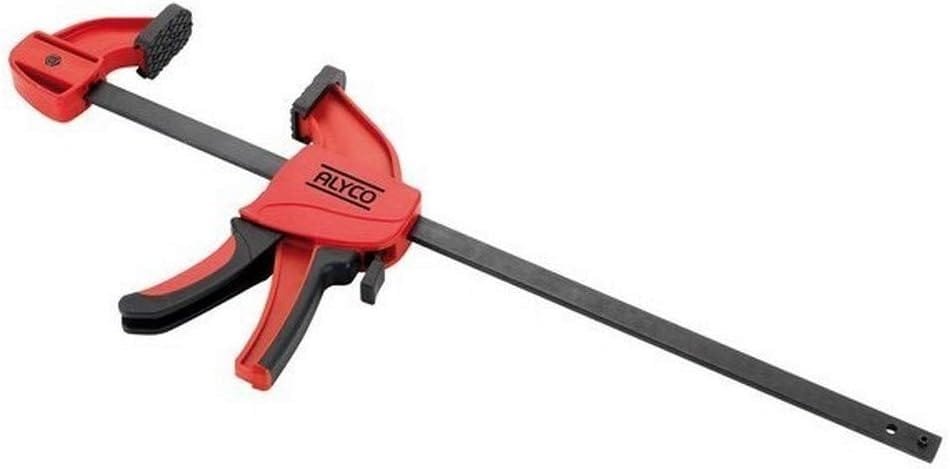
What is it for?: gluing, fastening pieces, assembling furniture and wooden structures.
What you should look for: pack of various sizes (30–60 cm), robust and easy to operate model.
Link to information about sergeants
Multimeter/electrical detector: safety before sparks
A multimeter and an electrical detector are essential safety measures when working with plugs, wires, and minor electrical repairs at home. They help prevent accidents and breakdowns.
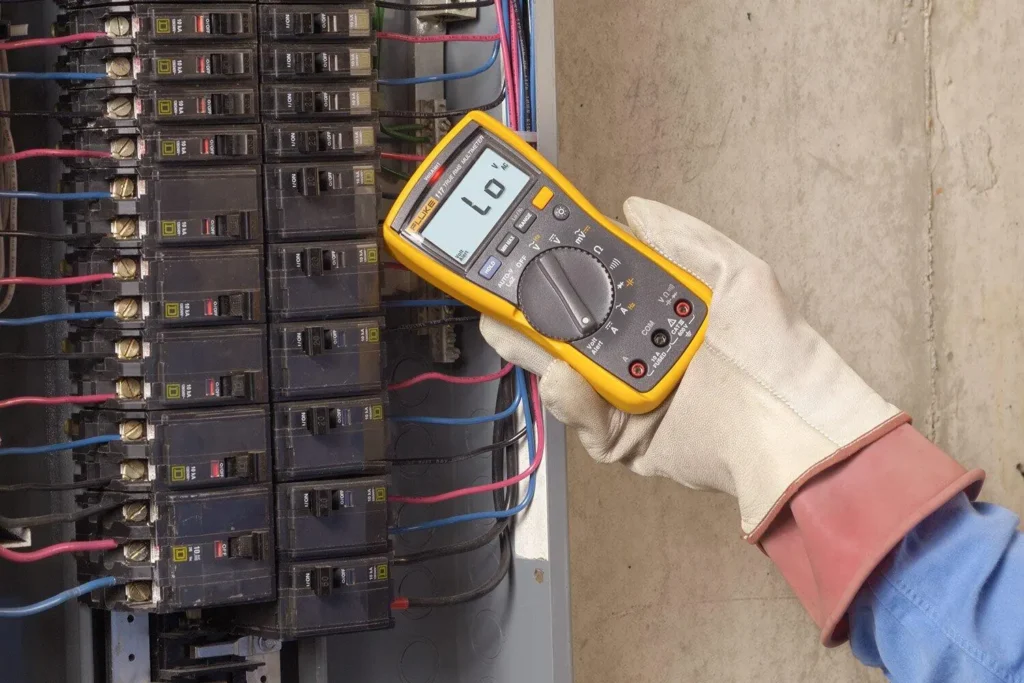
What is it for: detect voltage, measure continuity, check sockets and locate live wires.
What you should look for: clear display, contactless function and automatic range measurement.
Link to information about multimeters
Quick guide: which tool to use in each case
| Tool | Main use | User level | View selection |
|---|---|---|---|
| Drill driver | Assembling furniture, hanging shelves, drilling holes in walls and wood | 🟢 Beginner – Intermediate | View recommended drills |
| Laser level | Align pictures, tall furniture, and tiles precisely | 🟢 Beginner – Intermediate | View laser levels |
| Oscillating multi-tool | Cutting and sanding in corners, door frames and difficult details | 🟡 Intermediate | View multi-tool |
| Angle grinder | Cut metal, tile and remove rust or material residue | 🟡 Intermediate – Advanced | View grinders |
| Industrial vacuum cleaner | Keep the space clean of dust, plaster, and shavings | 🟢 Beginner | View vacuum cleaners |
| Keyhole saw | Precise curved cuts in wood, melamine and plastics | 🟢 Beginner – Intermediate | See jigsaws |
| Impact wrench | Aflojar/apretar tornillos y tuercas de alta resistencia.[file:1] | 🟡 Intermediate | View impact wrenches |
| Heat gun | Retirar pintura, aflojar adhesivos y doblar plásticos.[file:1] | 🟡 Intermediate | View heat guns |
| Orbital sander | Fine wood finishing, furniture and paint preparation | 🟢 Beginner – Intermediate | View orbital sanders |
| Portable compressor | Inflating tires, blowing dust, and small pneumatic tools | 🟡 Intermediate | View compressors |
| Sergeants / presses | Holding pieces together when gluing, cutting, or assembling furniture | 🟢 Beginner | See sergeants |
| Multimeter / Electrical Detector | Detecting voltage and measuring continuity in electrical work | 🟡 Intermediate | View multimeters |
Tools you should avoid (even if they seem like bargains)
Some purchases seem like a bargain until you use them twice and they end up gathering dust or breaking. It's best to avoid them from the start and focus your budget on a few good tools.
- Huge cases of cheap tools: many parts, poor quality and almost nothing really useful for serious renovations.
- 12V drills for heavy-duty useThey fall short in power and battery life if you really do DIY frequently.
- Sanders without dust extractionThey make a lot of mess and end up being abandoned due to discomfort.
- All-in-one multi-purpose kitsThey do a little bit of everything and nothing really well, with spare parts that are hard to find.
- Tools without spare parts or clear warrantyWhen one piece fails, the whole thing has to be thrown away.
Recommended brands according to your level
If you don't want to overcomplicate things, there are brands that work very well as a starting point for assembling your tool kit, whether you're an advanced hobbyist or use it almost professionally.
| Profile | Recommended brands |
|---|---|
| Advanced Amateur | Bosch, Makita, Dewalt, Einhell. |
| Professional use or intensive care. | Dewalt XR, Milwaukee, Festool. |
The idea is simple.: few tools, from one or two brands compatible with each other, with good availability of batteries, spare parts and technical service.
FAQs – about DIY Tools
What should I buy first: a drill or a grinder?
For general home use, it makes more sense to start with a cordless drill/driver, as it handles far more everyday tasks than an angle grinder. An angle grinder is fantastic for metalworking and construction, but it's not the first tool you'll use around the house.
How many tools do I need to renovate an apartment?
For a major renovation, you'll usually need almost everything on this guide, but if you have professionals for the heavier parts, like electricity and masonry, you can focus on a drill, laser level, jigsaw, grinder, vacuum cleaner, and sander.
Is it worth paying more for professional brands?
When you use tools for many hours a month, the difference in battery life, precision, and comfort is significant; in that context, professional-grade models tend to be more cost-effective in the medium term. If you only do occasional jobs, a mid-range model from a reliable brand is more than sufficient.
📘 Download My Free DIY Guide 2025-2026
If you want to have all this information at hand, with more examples and specific recommendations for each model, you can download the PRO Guide to the best DIY tools 2025-2026 in PDF format and save it to your mobile phone, tablet, or computer. I've prepared a guide with the tools that are really worth it and that will save you from spending money on low-quality products.
- ✔ 12 essential tools
- ✔ My personal recommendations (Amazon)
- ✔ Tips for saving money on your renovations
- ✔ Version updated since 2025
Enter your email to receive the guide:
You'll also receive exclusive offers and DIY tips. You can unsubscribe at any time.
 Español
 English
 Català
 Português